
What Exactly Are Native-Made Cigarettes in Canada?
Top Native Cigarette Brands in Canada: Trusted Indigenous Tobacco Sources
Native cigarette brands Canada are a category of tobacco products crafted by Indigenous-owned businesses on sovereign territories, offering a distinct alternative for smokers seeking authentic, culturally rooted options. These brands work by blending traditional practices with modern manufacturing, delivering quality smokes that often come at a more accessible price point. For users, the value lies in supporting Indigenous entrepreneurship while enjoying a smooth, consistent product that respects both heritage and personal choice. Simply choose your preferred variety and order through licensed online retailers or visit local smoke shops to experience these unique offerings firsthand.
What Exactly Are Native-Made Cigarettes in Canada?
Native-made cigarettes in Canada are tobacco products manufactured on First Nations territory, often by Indigenous-owned companies, and sold under brands like Nelson, DK’s, and Playfare. These cigarettes are typically produced with distinct blends and packaging, and they are not the same as mainstream commercial brands. Because they are made within Indigenous jurisdiction, their distribution and pricing often differ from provincial systems. Practically, for consumers seeking native cigarette brands in Canada, these products are usually available through reserve-based stores or online retailers, sometimes at lower cost due to tax structures tied to Indigenous sovereignty. Crucially, they are still real tobacco products, not herbal substitutes. What exactly distinguishes them? Their key defining feature is the legal and logistical framework rooted in Indigenous rights, not a unique chemical formula. Q&A: What exactly are native-made cigarettes in Canada? They are tobacco cigarettes crafted on reserves by Indigenous producers, sold under dedicated brands, and recognized for their separate supply chain rather than any special ingredient difference.
Key Differences Between Native Brands and Mainstream Commercial Tobacco
When comparing native brands to mainstream commercial tobacco, the biggest difference comes down to how they’re made and what’s inside. Mainstream cigarettes often include hundreds of additives for flavor, burn control, and shelf life. Native-made cigarettes, by contrast, typically use **purely whole-leaf tobacco** with no chemical additives, giving them a more natural, earthy taste that can be stronger or harsher on the throat. Commercially, you’ll also notice mainstream sticks are tightly packed and uniform, while native ones tend to be looser and burn faster. Pricing differs too—native brands are usually cheaper because they aren’t subject to the same federal taxes, but that also means you’re getting a less processed product with a shorter shelf life if stored poorly.
**Q: What’s the main difference in taste between native and commercial brands?**
A: Native brands hit harder with a raw, unadulterated tobacco flavor, while commercial ones are smoother and more chemically balanced.
Understanding the Additive-Free Tobacco Claim

Understanding the additive-free tobacco claim begins with recognizing what it does—and doesn’t—mean for native cigarette brands Canada. When a pack says “additive-free,” it typically signals that no flavorings, sugars, or humidifying agents were introduced during processing, but it does not guarantee a safer smoke. Native-grown tobacco’s additive-free status often rests on traditional curing methods, which can alter moisture and burn rate, producing a harsher draw than commercial blends. For practical use, check whether the claim refers to the leaf itself or the final product, since paper and filters can still contain additives. The absence of additives changes taste and throat hit, but tar and nicotine levels remain naturally occurring variables. To evaluate what you’re buying:
- Ask the retailer for the curing process—air-cured vs. flue-cured changes the profile.
- Compare burn time and ash color against a known additive-free reference.
- Read the package’s ingredient line, not just the front label.
Why These Products Stand Out for Regular Smokers
For regular smokers, these products stand out primarily because they deliver a **consistently robust smoking experience** without the chemical aftertaste found in many commercial blends. The tobacco is often sun-cured and additive-free, which produces a cleaner burn and a fuller, more natural aroma that many daily users find less irritating to the throat over long sessions. Crucially, the moisture level in native-made packs is typically higher, preventing the dryness that makes cigarettes harsh or prone to cracking. This means a slower, steadier burn per cigarette, giving smokers more puffs per pack. For those who smoke heavily, this translates directly into greater satisfaction per dollar, as the quality of the draw and the nicotine hit remain reliable from the first cigarette to the last, without the stale, manufactured edge that often develops in mass-produced cartons.
How to Choose the Right Native Cigarette Brand for Your Taste
When exploring native cigarette brands Canada, start by assessing your preferred nicotine strength—some blends lean full-bodied and robust, while others deliver a smoother, lighter draw. Sample a few brands in small quantities, noting how each burns and how the ash holds; a slower, even burn often signals quality. Pay attention to the cut and moisture level, as these directly affect taste intensity. If you enjoy rich, earthy notes, opt for brands using natural tobacco leaf; if you prefer a milder profile, look for blends with a softer finish. Ultimately, choosing the right native cigarette brand for your taste means testing across a range of cultivars and formats until the flavor feels effortless.
Full-Flavor vs. Light vs. Menthol: Which Profile Suits You?
Choosing between full-flavor, light, and menthol profiles in Native cigarette brands Canada comes down to your sensory priorities. Full-flavor blends offer the richest, most robust tobacco taste, ideal if you crave a bold, unadulterated smoke with a heavier body. Light varieties provide a milder, smoother draw, reducing throat harshness while keeping the essential tobacco character—perfect for those who prefer a gentler session without sacrificing satisfaction. Menthol profiles add a cooling, minty sensation that masks some natural tobacco bitterness and is often favored for its refreshing finish, especially in warmer months. To decide, consider your daily routine and sensitivity: sensory preference dictates satisfaction.
- Assess your tolerance for throat hit and natural tar intensity.
- Test a single pack of each profile to compare aftertaste and smoothness.
- Reflect on whether you seek boldness, mildness, or a refreshing cooling effect.
Comparing Popular Native Brand Offerings: Strength and Smoothness
When comparing popular native brand offerings, strength and smoothness often define the divide between smoker preferences. Brands like *Seneca* typically deliver a robust, full-bodied hit with pronounced nicotine presence, while *Signal* prioritizes a mellow, filtered draw that minimizes throat irritation. Comparing native cigarette strength profiles reveals that *Playfare* sits mid-range, balancing earthy tobacco notes with a relatively clean finish. For those seeking an ultralight experience, *DK’s* smooth variants use airy paper and subtle blends. Brand-specific curing methods directly influence perceived harshness, so testing a single pack from each lets you map where your tolerance intersects with their distinct smoothness curves.
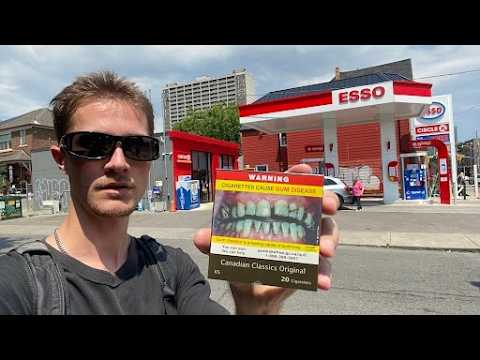
- Seneca’s dense pack burns slower, amplifying strength per puff.
- Signal’s charcoal-tipped options soften the draw significantly.
- Playfare’s mid-strength profile suits transitioning smokers.
- DK’s smooth line reduces aftertaste without sacrificing flavor depth.
Filtered vs. Unfiltered Options: What to Expect
When choosing between native cigarette brands in Canada, filtered and unfiltered options deliver starkly different experiences. Filtered varieties, often preferred by those transitioning from commercial smokes, offer a milder draw and reduced tar intake while preserving the robust, naturally grown tobacco flavor. Unfiltered styles, however, provide the purest, most intense nicotine hit and a fuller, earthier taste that purists demand. Expect unfiltered to burn faster and require a gentler pull to avoid harshness, whereas filtered brands give you more control over strength. If you value ritual and raw power, go unfiltered; for a smoother, daily smoke, choose filtered. Filtered options balance comfort with authentic native tobacco character, making them the safer bet for most palates.
Filtered offers smooth control; unfiltered delivers raw, intense flavor—know your throat’s tolerance before committing.
Practical Buying Guide: Purchasing Native Cigarettes Across Canada
When purchasing native cigarette brands Canada, a practical buying guide across provinces hinges on verifying product authenticity and price consistency. Stick to established native cigarette brands Canada like Seneca or DK’s, checking for tamper-evident packaging and proper moisture seals. Always confirm the seller’s physical storefront on reserve land before paying, as this ensures you’re dealing with licensed distributors, not middlemen. Compare per-carton rates directly between bands, since prices vary by $10–$20 depending on regional supply. Request a smell test—fresh native tobacco should be aromatic, not musty. For bulk orders, ask about blend ratios; many native cigarette brands Canada offer full-flavor versus light variants, so specify your preference upfront. Finally, pay in cash to avoid card surcharges, and store cartons upright in cool, dry spaces to preserve quality.
Where to Buy: Duty-Free Shops, Reserve Stores, and Online Retailers
For purchasing native cigarettes across Canada, your primary channels are duty-free shops, reserve stores, and online retailers. Start with on-reserve stores for the widest brand selection and competitive pricing, as they operate directly within First Nations territories. If you are crossing the border, duty-free shops offer convenient, tax-adjusted purchases, though stock may be limited to bulk cartons. For doorstep delivery, online retailers provide a reliable alternative—always verify their provincial shipping restrictions before ordering. A clear sequence would be: first, check reserve store inventory via phone; second, compare duty-free prices if travelling; third, confirm online retailer delivery zones. Ultimately, direct reserve purchases remain the most dependable route for authenticity and variety.
How to Verify Product Authenticity Before You Pay

Before transferring funds for native cigarette brands Canada, scrutinize the packaging for a tax stamp or band unique to the producer’s territory, as genuine cartons display these with crisp, non-smudged print. Compare the weight and cellophane tightness against a known authentic sample—counterfeits often feel lighter and wrap loosely. Request a close-up photo of the lot code and scan it via the manufacturer’s official verification portal if available. Cross-check the seller’s physical address and phone number against tribal business registries; a mismatch is a red flag. Finally, inspect the filter’s firmness and tobacco color through a sealed pouch—real products show uniform cut and no stray debris.
- Demand a detailed invoice with the brand’s registered business number.
- Use a magnifying glass to verify holographic logos shift color when tilted.
- Confirm the seal’s perforation pattern matches the brand’s official imagery.
- Ask for a batch sample photo with today’s date written on paper beside it.
Understanding Carton Sizes, Packaging Formats, and Price Differences
When purchasing native cigarettes in Canada, carton sizes generally hold 200 cigarettes across 10 packs, but some brands offer 100-count slim cartons or 300-count bulk boxes. Packaging formats vary from soft packs and flip-top boxes to resealable pouches, with price differences per carton reflecting the number of cigarettes, pack material, and brand positioning. A 200-count carton typically costs more than a 100-count, yet the per-cigarette price often drops with larger formats. Comparing unit costs between a 200-count carton and a 300-count bulk box reveals that bulk formats yield lower per-cigarette pricing, though availability depends on stock. Always verify the exact stick count printed on the carton before comparing prices across retailers.

Using and Enjoying Native Cigarettes: Tips for First-Time Buyers
When trying native cigarette brands Canada for the first time, start with a single pack rather than a carton to gauge your preference. Native cigarette brands Canada often feature distinct, additive-free tobacco blends, so pacing your smoking is key—take slower draws initially to avoid harshness. Store them in a sealed pouch or humidor to preserve moisture, as dry native tobacco burns faster and tastes sharper. Rotate between brands like premium full-flavor and lighter variants to find the profile that suits your palate. Enjoy them with a beverage like coffee or tea, which complements the natural earthiness. Finally, keep them separate from commercial cigarettes to appreciate the subtle differences in aroma and burn. Mastering these tips ensures a smoother, more satisfying introduction to native cigarette brands Canada.
How to Store Your Cartons to Keep Tobacco Fresh Longer
To maximize freshness when buying Native cigarette brands Canada, store unopened cartons in a cool, dark cabinet or closet, ideally between 15–20°C, away from radiators and direct sunlight. Proper carton storage prevents moisture loss that causes harshness. Keep cartons sealed in their original plastic wrap until first use; once opened, transfer individual packs into a glass jar with a tight lid. Avoid refrigerators, as humidity fluctuations accelerate drying. Stacking cartons horizontally rather than vertically preserves tobacco density and prevents settling. Rotate stock by purchase date, using older cartons first, and never store near strong odors like coffee or spices, as tobacco absorbs ambient scents.
Q: How to Store Your Cartons to Keep Tobacco Fresh Longer if I buy in bulk?
A: Divide cartons into smaller airtight containers, sealing each after removing packs, and keep them in a cool basement or closet. Check every two weeks for pliability, adding a damp (not wet) sponge in a separate dish if tobacco feels brittle—but never let it touch the packs directly.
What to Expect from the Burn Rate, Draw, and Ash Quality
When you first light a native cigarette from Canadian brands, expect a slower, more consistent burn rate than commercial blends, often due to denser tobacco packing and natural curing. The draw tends to be slightly firmer—requiring a gentle, steady pull—which allows for cooler smoke and better flavour extraction. Ash quality is a key indicator: it should hold firmly, appearing white or light grey with minimal flaking, signalling proper combustion and few additives. If ash is dark or crumbly, the tobacco may be moist or unevenly rolled.
- Burn time may run 20–30% longer than standard cigarettes.
- Draw resistance is noticeably higher in hand-rolled or filtered variants.
- Ash column stays intact for 2–3 cm before dropping naturally.
Pairing Your Smoke: Common Preferences for Coffee, Tea, or Social Settings

Pairing your smoke with the right drink can elevate the whole experience, especially when exploring Native cigarette brands Canada have to offer. Many smokers find that a bold, dark roast coffee cuts through the rich, natural tobacco flavor, making it a classic morning companion. For a smoother contrast, try a smoky oolong or earthy chai tea, which complements the woody notes without overpowering them. In social settings, consider that a cold beer or a sweet iced tea often feels more relaxed and session-friendly than a hot beverage. The goal is to match the intensity of your cigarette with the drink’s body.
- Pair full-flavored smokes with black coffee to balance bitterness.
- Choose green tea or a citrus soda to lighten the palate between puffs.
- In group settings, offer a Buy native cigarettes online Canada neutral drink like water or lager to avoid clashing flavors.
Ultimately, your preference is personal, but a well-chosen drink can make the ritual more enjoyable and sociable.

Common Questions About Native-Made Tobacco Products—Answered
When asking about Native cigarette brands Canada, the most common question is whether they differ from commercial tobacco. The practical answer: many native-made products use traditional, additive-free leaf, which alters the burn rate and flavor profile—so you may need to adjust your draw technique to avoid harshness. Another frequent query is about strength; these cigarettes often deliver a fuller nicotine hit due to less processing, so pace yourself if switching brands. A third concern is authenticity, so purchase from recognized reserve retailers to ensure you’re getting genuine native product, not a counterfeit.
For first-time users, always start with a single cigarette to gauge throat hit and nicotine sensitivity before committing to a carton.
Finally, storage matters: because native blends lack certain preservatives, keep them sealed and dry to prevent crumbling.
Are These Cigarettes Stronger Than Regular Store Brands?
When asking *are these cigarettes stronger than regular store brands*, the honest answer varies by producer, but many native-made blends are known for a notably robust profile. Because they often use whole-leaf tobacco rather than the homogenized, chemically treated sheets found in commercial cigarettes, the nicotine hit and throat impact can feel more immediate and pronounced. That said, strength isn’t standardized—some native brands are actually smoother and lighter than their mainstream counterparts. The trick is checking the blend’s cut and whether it contains additives, as natural tobacco’s potency often depends on curing style, not just the label. If you’re switching, start slow; the burn rate and tar density can surprise even seasoned smokers.
Can You Switch from Commercial Cigarettes to Native Brands Easily?
Switching from commercial cigarettes to native brands involves adjusting to differences in blend and strength, not a complex transition. Many native varieties use flue-cured tobacco, which delivers a fuller, naturally sweeter profile compared to the chemical additives in commercial products. You may find the nicotine hit more direct, so pace yourself initially to avoid dizziness. The physical act—rolling or using pre-made tubes—is often identical, though some native options come as loose tobacco requiring rolling skills. Price is a practical motivator, but taste perception varies; a trial of small quantities helps gauge tolerance. Ease of switching depends on your willingness to adapt flavor expectations, not on any technical barrier in the product itself.
What Should You Ask the Seller Before Completing Your Order?
Before finalizing any order, ask the seller to confirm the exact **product origin and manufacturing date** to ensure you’re receiving fresh, authentic stock. Inquire directly about the brand authenticity—request batch numbers or packaging photos to verify you’re not getting a substitute. Clarify their shipping and delivery timeline, including whether tracking is provided, and ask about their return or refund policy if the product arrives damaged or incorrect. Finally, confirm payment methods and whether any hidden fees apply to your province. These questions protect you from misrepresentation and ensure your purchase meets expectations.
- Request proof of current inventory and batch specifics.
- Ask about packaging differences between retail and bulk orders.
- Confirm whether prices include taxes or shipping surcharges.